
Wholesale sourcing notes
A Body and Groin Trimmer for Men vs. Other Grooming Tools: Which Fits Your Routine?
Choosing between a body trimmer, groomer, electric shaver, and manual razor depends on the result you want and the areas you need to manage. A trimmer is usually the most flexible option for shortening hair across larger body areas while keeping enough control for edges and contours. A shaver or razor can create a closer finish, but it offers less length control and may require more preparation and cleanup. Many routines work best with one tool for bulk reduction and another for final detailing rather than expecting a single device to perform every task equally well.
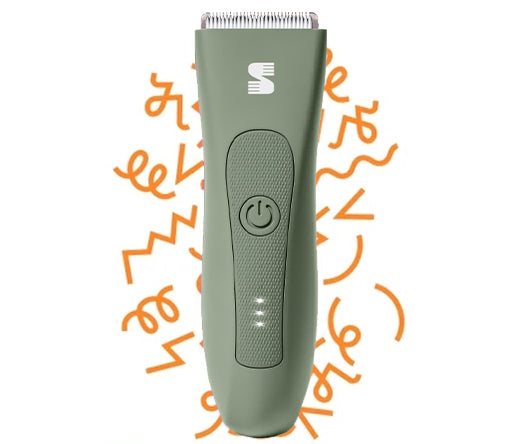
Choosing between a body trimmer, groomer, electric shaver, and manual razor depends on the result you want and the areas you need to manage. A trimmer is usually the most flexible option for shortening hair across larger body areas while keeping enough control for edges and contours. A shaver or razor can create a closer finish, but it offers less length control and may require more preparation and cleanup. Many routines work best with one tool for bulk reduction and another for final detailing rather than expecting a single device to perform every task equally well.
Quick Verdict
Choose a trimmer or body groomer when you want adjustable length, efficient coverage, and one tool that can move between the chest, abdomen, underarms, legs, and groin area. These tools are mainly designed to shorten and shape hair rather than remove it completely.
Choose an electric shaver when your priority is a smoother finish with less direct blade handling. Choose a manual razor when you want the closest result and are willing to spend more time on preparation, visibility, blade control, and cleanup.
For many routines, the practical order is simple: trim first, then shave only the areas where a closer finish matters.
What Each Grooming Tool Is Designed to Do
A body trimmer uses guarded cutting blades to reduce hair to a selected length. Interchangeable combs or adjustable guards help keep the result more even, especially across wide areas. It suits people who want visible hair reduction without taking everything down to skin level.
A body groomer often combines trimming and closer finishing in one device. Some designs use a trimming side for bulk removal and a foil-style side for shorter finishing. The tradeoff is added versatility in exchange for more parts to clean, store, and replace.
An electric shaver is built to cut short hair close through a foil or rotating head. Longer body hair often needs to be reduced first. It also provides little length control because its main purpose is closeness rather than shaping.
A manual razor removes hair at the skin surface with an exposed blade. It gives the closest finish of these options, but it does not handle longer hair efficiently. It also requires a clear view, steady control, suitable lubrication, and regular blade replacement.
Comparison Table
| Tool | Main role | Length control | Large-area coverage | Contour control | Cleaning needs |
|---|---|---|---|---|---|
| Body trimmer | Shortens and shapes hair | High with guards | Efficient on chest, abdomen, and legs | Good if the head follows curves easily | Remove loose hair and clean guards |
| Body groomer | Trims and provides closer finishing | Moderate to high | Good for mixed routines | Useful when switching between tasks | Multiple heads may need separate cleaning |
| Electric shaver | Creates a close finish on short hair | Low | Moderate, but slower on longer hair | Best on accessible areas | Clean beneath foil or rotary parts |
| Manual razor | Removes hair at skin level | None | Slow unless hair is already short | Precise when visibility is good | Rinse, dry, and replace blades |
No tool is the automatic winner. The right choice depends on whether your routine values speed, controlled length, close finishing, or a combination of those results.
Which Tool Fits Each Scenario
For broad body grooming, a trimmer usually has the clearest advantage. A wider cutting path and suitable length comb can reduce repeated passes across the chest, stomach, shoulders, arms, or legs. The tradeoff is that a very wide head may cover flat areas quickly but feel less precise around curves.
For a routine that includes both large-area trimming and groin contour work, control matters as much as speed. You need enough cutting width for body coverage, but also a head shape that does not block your view around tighter lines. A body and groin trimmer for men fits this role when the goal is to shorten body hair efficiently while retaining the ability to shape detailed areas with deliberate, short passes.
For close finishing on relatively flat areas, an electric shaver may work better after the hair has been shortened. It can create a smoother look without the exposed-blade technique of a manual razor. However, it may need extra passes on uneven surfaces and cannot replace the length options provided by trimming combs.
For sharp edges or fully shaved sections, a manual razor gives direct control over the final line. It is better used as a finishing tool than as the first tool on longer body hair. Trimming first can reduce clogging, pulling, and repeated strokes.
For a natural but tidy appearance, guards are more useful than shaving heads. A longer guard preserves visible hair while evening out growth. A shorter guard creates a more defined result without removing all hair at skin level.
Maintenance and Cleaning Tradeoffs
Body trimmers are usually straightforward to maintain, but hair can collect under blades and inside comb attachments. Removing loose hair after each use helps keep the cutting path clear. If the manufacturer permits rinsing, dry the head fully before storage.
Combination groomers may require more attention because separate heads, foils, combs, and caps collect debris differently. Their versatility is useful only when the attachments remain easy to identify, clean, and store.
Electric shavers need regular cleaning beneath the foil or rotary assembly. Fine hair and skin debris can reduce cutting efficiency when they build up. Foils are delicate, so excessive pressure or aggressive brushing may damage them.
Manual razors have the simplest mechanism but depend most heavily on blade condition. A dull or clogged blade can require extra strokes and reduce control. Rinse during use, let the razor dry afterward, and replace the blade when its performance declines.
Dry storage matters for every tool. Damp environments can keep attachments wet and make loose hairs stick to cutting surfaces. A ventilated storage area and a small cleaning brush make routine care easier.
How to Decide What Belongs in Your Routine
Start with the largest task. If you regularly shorten hair over several body areas, choose a trimmer or groomer with practical guard options and a head that covers broad sections without becoming difficult to guide.
Next, decide how close the final result needs to be. If a short, even finish is enough, a trimmer may handle the full routine. If selected areas need a smoother finish, add an electric shaver or razor only for those final passes.
Then consider visibility. A bulky head may be fast on flat areas but harder to position around curves and edges. Better control can come from a smaller head, slower strokes, or changing your position so the cutting path remains visible.
Finally, evaluate cleaning effort. Choose a tool you can realistically maintain after each session. A versatile device is not helpful if its attachments are difficult to clean, dry, or store.
The most practical setup follows your actual sequence: reduce length, refine contours, then finish selected areas more closely when needed. Trimmers, groomers, shavers, and razors each solve a different part of that process, so the best choice depends on your routine rather than a universal ranking.
Request the sample pack
A paid swatch-and-garment set with a printed evaluation worksheet. Refundable against your first wholesale order.