Skip to content
Hanfu Supplier Hanfu Supplier Wholesale sourcing notes

Wholesale sourcing notes

Wholesale Hanfu Sourcing for Independent Boutiques

Explore dynasty silhouettes, compare fabrics and fit, and evaluate a sample before planning your wholesale order.

For boutiques, retailers and cultural-event buyers building a considered Hanfu collection.


Studio-led wholesale Hangzhou & Suzhou workshops English-language sourcing support
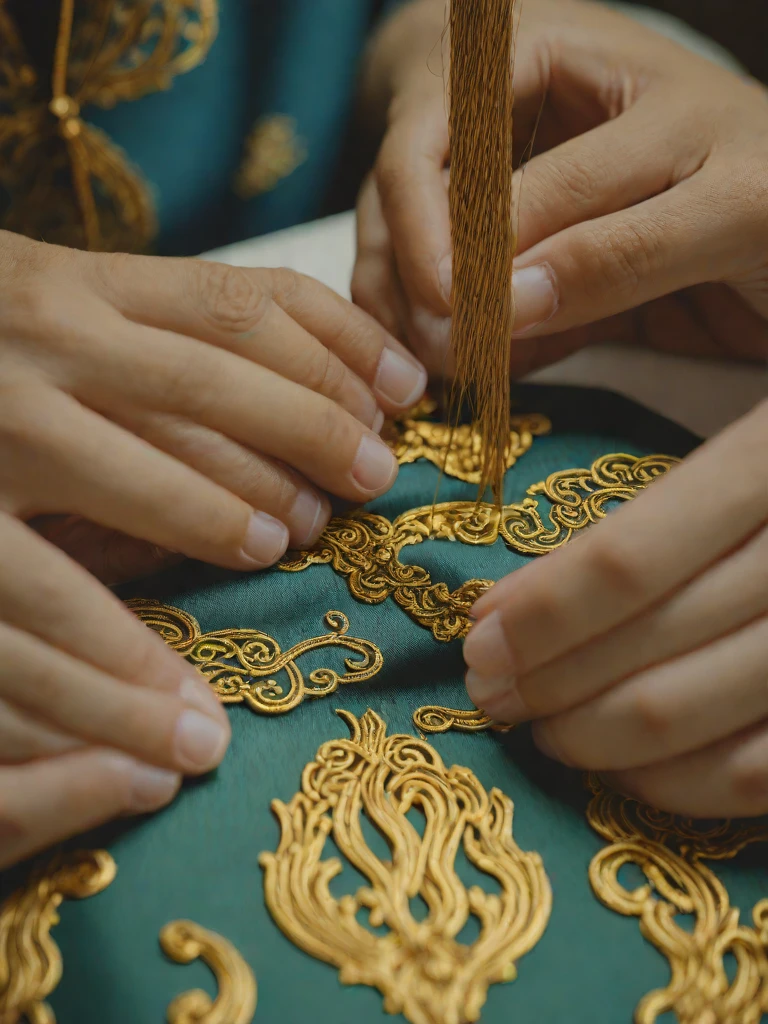
Gold embroidery detail on deep green Hanfu fabric

Reading method

Three things to settle before a wholesale order: which silhouette, which hand, which size spread.

A photograph tells you what a garment looks like standing still. It does not tell you how the cloth falls when a customer lifts an arm, how it survives a wash, or whether your size run will sell through or come back. These three gates are the ones we ask buyers to close before we open an order sheet.

  1. 01

    Silhouette

    Which dynasty family does the garment belong to, and what does that family signal to your customer? A Ming-style robe reads formal and structured; a Song-style jacket reads quiet and everyday. Match the family to the occasion your customer is actually dressing for, not to the most dramatic photograph in the catalog.

  2. 02

    Hand-feel

    How does the fabric behave against the skin and in the hand? Weight, drape, sheen and wrinkle recovery decide whether a piece feels like a considered garment or a costume. We describe every cloth in plain terms — mid-weight twill, soft washed linen blend, crisp silk-cotton — so you can predict the wear before you touch it.

  3. 03

    Fit spread

    Which sizes will you actually stock, and how forgiving is the cut between them? A robe with generous overlap tolerates a wider size run than a fitted jacket. We help you plan the spread so your opening order covers the customers you have without stranding sizes you cannot move.

Catalog index

A working index of five silhouette families, and the retail customer each one tends to suit.

Our catalog is organised by dynasty silhouette because the silhouette is the first buying decision, not a decorative label. Below is the working index we use in conversation with new buyers. The full collection notes — fabric options, size ranges and care guidance — live on the Dynasty Collections page.

Silhouette families and their typical retail character
Family Character in wear Typical retail customer Best opening season
Han-style robe Crossed collar, wide sleeve, soft drape; reads ceremonial and calm. Boutiques serving cultural events, museum shops, tea houses. Spring and autumn
Tang-style round collar Structured shoulder, narrow sleeve, confident line; reads modern and tailored. Contemporary boutiques wanting a wearable, city-friendly cut. Autumn and winter
Song-style jacket Light, quiet, everyday; easy to layer and easy to care for. Everyday-wear retailers, gift shops, student performance groups. All year
Ming-style robe Formal, full-length, generous overlap; reads ceremonial and photographic. Performance buyers, wedding and festival sourcing teams. Autumn and winter
Qing-style jacket Close-fitting, high collar, ornate trim; reads decorative and specific. Specialist boutiques and themed retail with a clear audience. Winter

Read the full dynasty collection notes — fabric options, size ranges and care guidance for each family.

Fabric and fit

Fabric decides how a robe hangs; fit spread decides how often it comes back.

Two buyers can order the same silhouette and get very different sell-through, because cloth and sizing do more work than the pattern. These are the four comparisons we walk through most often with new wholesale partners.

Cloth behaviour

Mid-weight twill
Holds a structured line, resists creasing in transit, suits autumn and winter capsules. Our most forgiving first order.
Washed linen blend
Softens with wear, breathes well, shows a relaxed drape. Best for spring and summer, and for customers who want an everyday piece.
Silk-cotton
Light sheen, fluid movement, photographs beautifully. Needs gentler care guidance and a customer who understands the cloth.
Heavier brocade
Ceremonial weight and presence. Reserve for performance and formal retail where the garment is worn for an occasion, not daily.

Fit spread and returns

Generous overlap
Robe cuts with wide overlap tolerate a broader size run and forgive fit uncertainty — a safer opening order for a new customer base.
Fitted shoulder
Tailored jackets need a tighter size spread and clearer measurement guidance. Stock fewer sizes, sell them more deliberately.
Layering pieces
Jackets and tops worn over other garments can carry a wider spread, because the customer has room to adjust.
Performance groups
Coordinated orders need a mixed-size plan up front. We help you map the spread to the group before production is scheduled.

Every cloth we list carries a plain-language care note, so your staff can answer customer questions without guesswork.

Sample pack

A sample pack is a working set: swatches, one finished garment, and a worksheet to record what you find.

— Hanfu Supplier, sample pack notes

The pack is a paid set, refundable against your first order. It contains fabric swatches for the silhouette family you are considering, one finished sample garment in the size and cloth you choose, and a printed evaluation worksheet that walks you through hand-feel, drape, stitching, trim and fit. Handling the cloth is the only reliable way to judge a wholesale line — a photograph cannot tell you how a robe falls or how a collar sits.

We ask buyers to record their findings on the worksheet before they commit to a quantity. It keeps the first order grounded in what the garment actually does, and it gives our workshop partners a clear brief.

Wholesale process

Four stages from first shortlist to production scheduling.

Our wholesale path is deliberately short and documented, so you always know which stage you are in and what happens next. The full detail — order sheets, packing lists, labelling and reorder planning — is on the Wholesale Process page.

  1. 01

    Silhouette shortlist

    You tell us the customer you serve and the occasion you are dressing. We shortlist two or three silhouette families and the cloths that suit them, with notes on season and care.

  2. 02

    Sample evaluation

    You order the sample pack, handle the swatches and the finished garment, and record your findings on the worksheet. This is where a shortlist becomes a decision.

  3. 03

    Order sheet confirmation

    We prepare a written order sheet: styles, cloths, size spread, quantities, labelling and packing. You confirm it in writing before anything is scheduled.

  4. 04

    Production scheduling

    Your order enters a spring or autumn production window. We advise sample requests several weeks before a seasonal buying deadline, so the schedule stays realistic.

Read the full wholesale process — including sizing spread, packing, labelling and reorder planning.