
blog
326 articles
-
 blog
blogHow did Hanfu evolve during the Tang Dynasty?
Initially, Tang Dynasty Hanfu had simpler designs; mid-Tang featured vibrant, voluminous styles, while late Tang saw more relaxed, diverse forms.
-
 blog
blogWhat are the differences between court and commoner Hanfu?
Court Hanfu was luxurious, featuring silk and elaborate designs, symbolizing status, whereas commoner Hanfu was simpler, made from practical materials like cotton or linen, reflecting daily life.
-
 blog
blogWere there any specific Hanfu styles for religious ceremonies?
Yes, specific Hanfu styles were designed for religious ceremonies, distinct in colors, patterns, and symbolism.
-
 blog
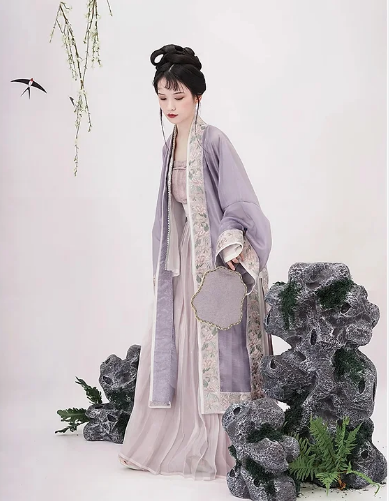
blogHow did Hanfu evolve during the Song Dynasty?
During the Song Dynasty, Hanfu evolved with new styles like the Beizi, reflecting changes in societal norms, economic conditions, and external cultural influences.
-
 blog
blogWere there regional differences in Hanfu styles?
Yes, Hanfu styles varied significantly across different regions of China, reflecting the diverse climatic, geographical, and cultural influences in each area.
-
 blog
blogHow did Hanfu from the Ming Dynasty differ from earlier styles?
Ming Dynasty Hanfu featured more modest, straight-lined designs with darker colors, distinct from the flamboyant Tang and elegant Song styles.
-
 blog
blogWere there any forbidden colors or designs in ancient Hanfu?
In ancient Hanfu, certain colors like Imperial Yellow and designs like dragon motifs were exclusively reserved for the emperor and nobility,with strict regulations and severe consequences for violations.
-
 blog
blogHow do you choose the right Hanfu for different seasons?
To choose the right Hanfu for different seasons, consider the fabric's weight, seasonal colors, and layering for comfort.
-
 blog
blogWhat accessories are typically worn with Hanfu?
Traditional Hanfu accessories include hair ornaments, jewelry, belts, sashes, fans, and parasols.
-
 blog
blogHow did Hanfu styles vary during different Chinese dynasties?
Hanfu styles evolved uniquely in each dynasty: Shang and Zhou featured simple designs, Han emphasized formality, Tang introduced luxurious diversity, and Song and Ming favored regional simplicity.