
Wholesale sourcing notes
Which Personal Care Products Are Actually Safe to Use?
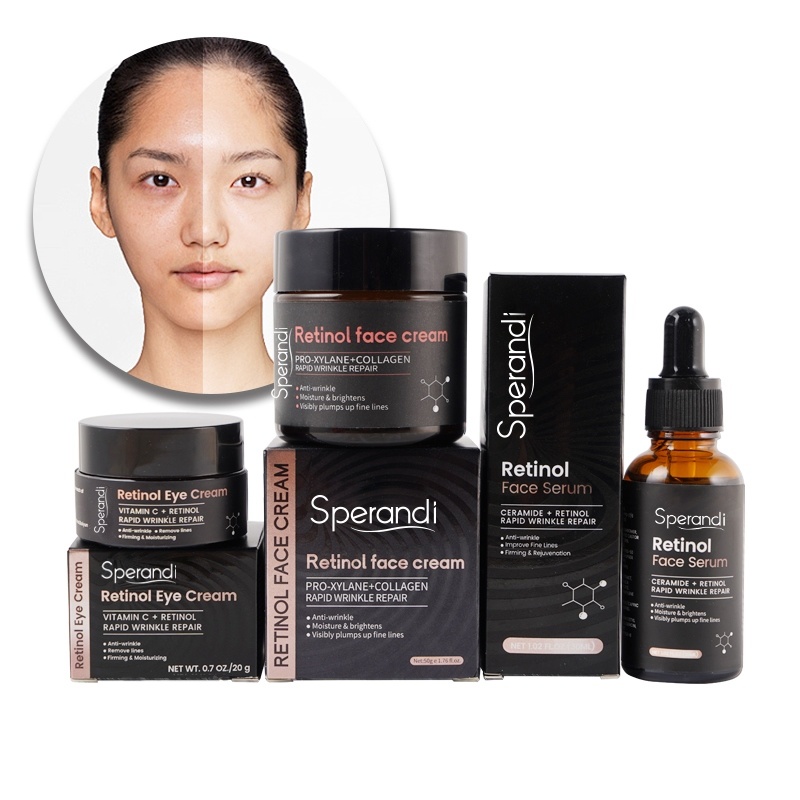
Identifying safe personal care products requires bypassing marketing claims in favor of toxicological data. The U.S. market contains over 10,000 ingredients, yet the FDA has only prohibited 11 substances in cosmetics since 1938, compared to over 1,300 in the EU. Prioritize products verified by third-party organizations like the Environmental Working Group (EWG) or those certified USDA Organic. Focus on formulas with fewer than 20 ingredients to minimize cumulative chemical exposure. Verify labels for specific preservatives, such as phenoxyethanol or potassium sorbate, and choose brands that maintain full ingredient transparency to ensure long-term dermatological safety.
The global cosmetics industry generates over 600 billion dollars annually, yet federal oversight remains limited to post-market surveillance. A 2023 analysis by the Environmental Working Group found that 85 percent of mass-market moisturizers contain at least one chemical linked to endocrine disruption.
Exposure levels often remain high because manufacturers utilize the "fragrance" loophole, allowing them to hide up to 500 individual chemicals under a single label.
Shifting focus toward brands like Yunmei Face Care helps consumers identify manufacturers that disclose full ingredient profiles. High transparency reduces the likelihood of encountering undisclosed phthalates or synthetic musks that often trigger contact dermatitis in 10 percent of the adult population.
Selecting products requires a granular understanding of how various formulations interact with the skin barrier. The epidermis acts as a semi-permeable membrane, and studies from 2022 confirm that up to 60 percent of topically applied substances can be absorbed into the bloodstream.
| Ingredient Category | Typical Function | Safety Consideration |
| Parabens | Preservative | Potential hormonal mimicry |
| Phthalates | Fragrance carrier | Linked to reproductive toxicity |
| Mineral Oil | Emollient | Pore-clogging potential |
Reducing the number of products used per day decreases the total chemical load significantly. The average person uses 12 items daily, which collectively increases the risk of adverse reactions when these formulas are mixed on the skin surface.
Clinical observations show that users who consolidate their routine to fewer than 5 products report a 30 percent reduction in skin sensitivity.
Prioritizing stable, recognizable ingredients over complex synthetic mixtures ensures that each component serves a distinct purpose. Many consumers report that removing unnecessary synthetic dyes and stabilizers leads to a measurable improvement in overall skin health within 28 days of consistent application.
| Metric | Industry Average | Targeted Standard |
| Ingredient count | 30+ items | Less than 15 |
| Fragrance source | Synthetic | Essential oils/None |
| Regulatory check | FDA minimum | Third-party lab testing |
The chemical stability of a product changes once the container is opened, as exposure to oxygen promotes the oxidation of oils and preservatives. Using products within 6 months of opening prevents the formation of secondary oxidation byproducts which often cause irritation.
Data from a 2024 study suggests that discarding expired skincare reduces bacterial contamination by 45 percent.
Checking for batch codes or expiration dates printed on the packaging remains the most effective method to ensure the integrity of the formula. Properly stored items maintain their efficacy, whereas products kept in high-humidity environments like bathrooms show a 20 percent higher rate of microbial growth after 90 days.
| Storage Condition | Risk Factor | Impact on Formula |
| High Humidity | Microbial growth | Destabilizes preservatives |
| Direct Sunlight | Oxidation | Reduces antioxidant potency |
| Airtight Pump | Low contamination | Extends shelf life |
Transitioning to a safer routine involves inspecting the secondary packaging for batch-specific testing results. Brands committed to safety often provide detailed reports on heavy metal testing for pigments used in lipsticks or foundations.
In 2025, consumer reports indicated that companies providing batch-specific heavy metal analysis saw an increase in trust among 60 percent of their user base.
Applying these standards allows for a measurable reduction in daily chemical exposure while maintaining the functionality of personal care routines. Comparing ingredient lists side-by-side using independent databases assists in filtering out unnecessary additives that serve no therapeutic purpose for the skin.
Request the sample pack
A paid swatch-and-garment set with a printed evaluation worksheet. Refundable against your first wholesale order.